The Rise of Digital Payments and What It Means for Consumers
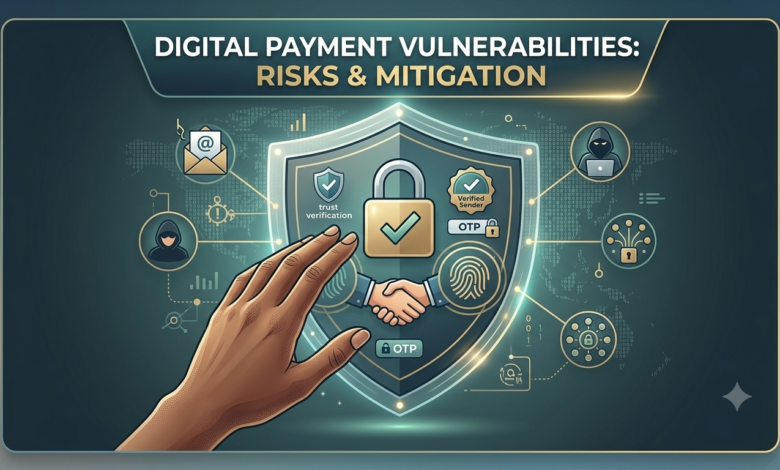
Not long ago, leaving the house required a mental check: keys, phone, and wallet filled with cash or physical cards. Today, that wallet is increasingly staying in a pocket or being left behind entirely. The rapid global expansion of digital payments has fundamentally changed how society exchanges value, turning physical bills into digital pixels with a tap, scan, or click.
From splitting a dinner bill with friends via a mobile app to tapping a smartphone at a local coffee shop counter, electronic transactions have shifted from a futuristic convenience to an everyday expectation. Understanding the mechanics, benefits, and underlying risks of digital payments is essential as the world moves closer to a frictionless, cashless economy.
How Technology Is Driving the Shift Away From Cash
The global momentum behind digital payments is driven by several converging technologies:
-
Smartphones and Mobile Banking: High-speed mobile internet and widespread smartphone adoption have placed a virtual bank branch in nearly every consumer’s pocket.
-
Digital Wallets and Fintech Innovation: Apps like Apple Pay, Google Wallet, PayPal, and regional fintech platforms have made store cards and bank accounts instantly accessible through unified digital interfaces.
-
Near Field Communication (NFC): Contactless “tap-to-pay” terminals allow consumers to complete point-of-sale transactions in seconds without inserting a chip or entering a PIN for smaller amounts.
-
QR Codes and Instant Transfers: Quick-response codes and account-to-account instant bank transfer networks have made digital acceptance affordable for small merchants and street vendors who previously relied solely on cash.
Key Benefits of Digital Payments for Consumers
The widespread transition to electronic transactions offers distinct advantages that enhance everyday consumer life:
-
Speed and Convenience: Transactions take seconds, eliminating the need to search for exact change or wait in long ATM lines.
-
Automated Expense Tracking: Digital transactions automatically create an organized digital paper trail, making budgeting, spending analysis, and tax preparation far simpler than saving paper receipts.
-
Financial Inclusion and Accessibility: Mobile payment systems extend basic financial services to previously unbanked populations in emerging markets, allowing anyone with a basic phone to send and receive funds securely.
-
Enhanced Rewards: Many platforms offer cash-back incentives, merchant discounts, and loyalty points directly tied to app usage.
Cybersecurity, Fraud, and Privacy Concerns
While convenience has reached an all-time high, the shift toward a paperless economy introduces specific risks that consumers must navigate carefully.

Impact on Traditional Banking and Local Businesses
The dominance of digital payments is reshaping the broader economic landscape:
-
Retail Modernization: Small businesses and online retailers gain access to a broader customer base by adopting multi-channel payment gateways, reducing the overhead and security risks associated with handling cash.
-
Declining Cash Usage: Central banks and commercial lenders are adjusting branch footprints as physical currency usage drops year-over-year in many developed and developing nations alike.
-
The Evolution of Traditional Banks: Legacy institutions are forced to modernize their underlying infrastructure, partner with fintech startups, or launch their own peer-to-peer (P2P) instant transfer platforms to remain competitive.
How Consumers Can Protect Their Digital Transactions
Safeguarding personal finances requires proactive digital hygiene:
-
Use Biometric Authentication: Lock mobile devices and payment apps using fingerprint or facial recognition features.
-
Avoid Public Wi-Fi for Financial Tasks: Never execute bank transfers or online payment checkouts on unverified public networks without a secure Virtual Private Network (VPN).
-
Set Instant Notification Alerts: Enable real-time transaction alerts via push notification or SMS to spot unauthorized activity immediately.
-
Use Virtual Cards for Online Shopping: Many payment providers now offer temporary or burner card numbers that hide actual bank details during e-commerce checkouts.
What Lies Ahead: The Future of Digital Payments
The technology underpinning financial transactions continues to evolve rapidly. AI-driven fraud detection models now analyze purchase behaviors in real time to block suspicious activity before a transaction completes. Biometric checkouts—where payments are authorized using palm scans or facial recognition—are moving from pilot programs to mainstream retail.
Looking further ahead, central bank digital currencies (CBDCs), stablecoins, and embedded finance (where payment capabilities are integrated seamlessly into non-financial apps and smart appliances) will continue to redefine how value moves across borders and between devices.
The expansion of digital payments has made commercial interactions faster, more accessible, and remarkably efficient. While this digital transition offers undeniable day-to-day advantages, long-term success depends on strong cybersecurity practices and conscious privacy management. By remaining vigilant and adopting modern safety protocols, consumers can confidently navigate the cashless future while keeping their financial assets secure.