Emerging Travel Destinations for 2026: 12 Top Places to Visit
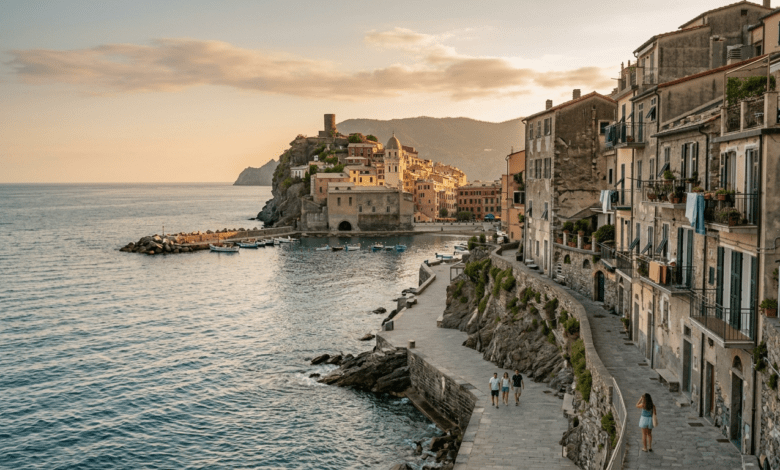
Destination Comparison Table
| Destination | Country | Best For | Best Time | Travel Style | Why It’s Emerging |
| Gjirokastër | Albania | Ottoman History & Stone Architecture | May–October | Cultural & Budget | Expanding Balkan infrastructure, affordable alternative to Western Europe. |
| Svaneti Region | Georgia | Alpine Hiking & Ancient Watchtowers | June–September | Adventure & Nature | Improved mountain access roads and expanding trekking network. |
| Isla Holbox | Mexico | Car-Free Relaxation & Marine Life | November–April | Eco-Relaxation & Beach | Travelers seeking quiet alternatives to Riviera Maya mega-resorts. |
| Mérida & the Yucatán Interior | Mexico | Maya Heritage & Culinary Arts | November–March | Cultural & Culinary | New Maya Train transit routes connecting inland hubs to coastal gateways. |
| Salento & the Cocora Valley | Colombia | Coffee Culture & Cloud Forests | December–March, July–August | Nature & Slow Travel | Growing international recognition of the Coffee Triangle’s sustainable eco-lodges. |
| Raja Ampat | Indonesia | Marine Biodiversity & Scuba Diving | October–April | Eco-Adventure & Marine | Strict local marine park protections combined with new liveaboard routes. |
| Lombok (North & East) | Indonesia | Volcanic Trekking & Coastal Quiet | April–October | Nature & Adventure | Shift of travelers away from southern Bali toward eco-conscious outdoor trips. |
| Oman (Al Hajar Mountains) | Oman | High-Altitude Hiking & Heritage | October–April | Luxury Outdoor & Culture | Strategic investment in eco-resorts and mountain infrastructure. |
| AlUla | Saudi Arabia | Ancient Nabataean History & Desert Art | October–April | Heritage & Architecture | National tourism expansion initiatives and direct international flight additions. |
| Hokkaido (Eastern Circuit) | Japan | Wilderness, Wildlife & Indigenous Culture | Year-round (Seasonal focus) | Nature & Sustainable Travel | Regional transport passes encouraging travel beyond the Golden Route. |
| Transylvania (Saxon Villages) | Romania | Fortified Churches & Rural Traditions | May–September | History & Countryside | Slow-travel movement and expanded flight access via Brașov-Ghimbav Airport. |
| Dominica | Dominica | Geothermal Hiking & Eco-Lodges | October–May | Outdoor Adventure | Island-wide commitment to climate resilience and cable-car transit investments. |
Introduction
Travel is undergoing a clear evolution. As long-standing international hotspots face growing crowds, rising costs, and infrastructure strain, travelers are actively seeking destinations that offer space, authenticity, and distinct cultural identity.
An emerging travel destination is not simply a remote spot on a map. In modern tourism analysis, an emerging destination refers to a place experiencing measured growth in international accessibility, infrastructure development, and traveler interest, yet retains its authentic character before mass commercialization takes hold. These locations offer a balance: sufficient transport links, safe accommodations, and structured tour options alongside genuine interactions and uncrowded natural landscapes.
Choosing less-visited regions helps distribute the economic benefits of tourism to local communities while offering visitors richer, more relaxed experiences. Below is a comprehensive guide to 12 of the most compelling emerging destinations across the globe, evaluated for safety, cultural depth, natural beauty, and practical accessibility.
Emerging Travel Destinations Worth Adding to Your Bucket List
   [Global Distribution of 2026 Emerging Travel Destinations]

   Americas           Europe             Middle East & Asia
   ────────           ──────             ──────────────────
   • Dominica         • Gjirokastër      • AlUla (Saudi Arabia)
   • Isla Holbox      • Svaneti Region   • Al Hajar Mountains (Oman)
   • Mérida Interior  • Transylvania     • Hokkaido East (Japan)
   • Salento                             • Lombok / Raja Ampat (Indo)
1. Gjirokastër, Albania
Why It’s Emerging
Albania’s southern interior is benefiting from overall Balkan tourism growth while remaining significantly less crowded than the neighboring Riviera coastline. Improved highway networks from Tirana and Saranda make reaching inland heritage sites increasingly straightforward.
What Makes It Special
Known as the “City of Stone,” Gjirokastër is a UNESCO World Heritage site defined by remarkably preserved Ottoman-era tower houses (kale), cobblestone streets, and a prominent 12th-century fortress overlooking the Drino River Valley. The region’s cuisine highlights regional agricultural traditions, featuring dishes like qofte të fërguara (fried meat patties) and local mountain tea.
Best Experiences
-
Walk the steep, slate-paved streets of the Old Bazaar to visit artisan woodworking and embroidery shops.
-
Tour the Skenduli House, a pristine example of 18th-century Ottoman residential architecture.
-
Explore Gjirokastër Castle and its historical military museum.
-
Day-trip to the ancient Roman ruins of Antigonea located across the valley.
Best Time to Visit
May through October offers warm, dry weather optimal for walking steep stone streets and exploring rural landscapes.
How to Get There
Fly into Tirana International Airport (TIA) or Corfu International Airport (CFU) in Greece. From Tirana, direct intercity buses take approximately 3.5 to 4 hours. From Corfu, take a high-speed hydrofoil ferry to Saranda (30 minutes), followed by a 45-minute bus or taxi ride.
Budget / Value
Budget-friendly. Gjirokastër offers exceptional value. Boutique hotel stays, regional dining, and museum entrance fees remain among the most affordable in Southern Europe.
Who Should Visit
History enthusiasts, solo travelers, budget-conscious explorers, and culture seekers.
What to Know Before You Go
-
Entry Requirements: Visa-free for EU, US, UK, Canadian, and Australian passport holders for up to 90 days. Check official Albanian foreign ministry portals before booking.
-
Terrain: Extremely steep, slick cobblestone walkways require sturdy footwear.
-
Currency: Albanian Lek (ALL). Cash is widely preferred over credit cards in family-run guesthouses and local shops.
2. Svaneti Region, Georgia
Why It’s Emerging
Located in the High Caucasus mountains, Svaneti was historically isolated due to rugged geography. Ongoing paving of mountain roads and marked trail networks under the Transcaucasian Trail initiative have made this alpine zone accessible to international mountain hikers.
What Makes It Special
Svaneti combines dramatic alpine peaks—including Mount Shkhara and Mount Ushba—with unique medieval heritage. Distinctive stone defensive structures known as Svan towers dot villages across the region, constructed between the 9th and 12th centuries. The region retains its own dialect and ancient culinary traditions, such as kubdari (spiced meat-filled bread).
Best Experiences
-
Hike the multi-day trail from Mestia to Ushguli, one of Europe’s highest continuously inhabited settlements.
-
Visit the Mestia Museum of History and Ethnography to view early medieval icons and processional crosses.
-
Trek to the foot of the Chalaadi Glacier or the Koruldi Lakes for high-altitude panoramas.
Best Time to Visit
June through September is the primary window for high-altitude trekking when passes are free of heavy snow.
How to Get There
Fly into Tbilisi (TBS) or Kutaisi (KUG). Vanilla Air operates small domestic flights from Natakhtari (near Tbilisi) to Mestia, subject to weather. Alternatively, take a marshrutka (minibus) or private transfer from Kutaisi (approx. 4.5 hours) or Tbilisi (approx. 8 hours).
Budget / Value
Budget-friendly to Moderate. Guesthouses typically include hearty home-cooked breakfasts and dinners, offering low daily expenditure.
Who Should Visit
Mountain hikers, wilderness photographers, culture travelers, and adventure seekers.
What to Know Before You Go
-
Entry Requirements: Georgia allows citizens of over 90 countries visa-free stays for up to one full year. Verify status on Georgia’s official e-Visa portal.
-
Connectivity: Mobile signal is generally reliable in valley towns like Mestia, but sparse on high passes.
-
Safety: Weather conditions in the High Caucasus change rapidly; hiring local mountain guides for high-altitude routes is advised.
3. Isla Holbox, Mexico
Why It’s Emerging
As travelers seek alternatives to the dense high-rise resort corridors of Cancún and Playa del Carmen, Isla Holbox—situated within the Yum Balam Ecological Reserve—presents a lower-density coastal environment centered on marine conservation.
What Makes It Special
Holbox is a long, narrow barrier island where paved roads are intentionally absent; transport consists of golf carts, bicycles, and walking. The island sits at the convergence of the Gulf of Mexico and the Caribbean Sea, supporting shallow, calm waters, flamingos, and seasonal aggregations of whale sharks.
Best Experiences
-
Kayak through mangrove estuaries to observe native bird species and marine life.
-
Experience seasonal bioluminescent plankton displays in the shallow waters of Punta Coco on moonless nights.
-
Take a guided, eco-certified whale shark snorkeling tour (seasonal regulations strictly enforced).
Best Time to Visit
November through April offers pleasant temperatures and low humidity. For whale shark viewing, visit between June and September.
How to Get There
Fly into Cancún International Airport (CUN). Take a ground transfer (approx. 2 hours) to the port town of Chiquilá, followed by a 20-minute passenger ferry ride across the Yalahau Lagoon to the island.
Budget / Value
Moderate to Premium. Boutique eco-lodges and dining carry higher price points than the Mexican mainland due to island logistics, but remain accessible across various budgets.
Who Should Visit
Couples, eco-conscious travelers, nature lovers, and beachgoers seeking a relaxed pace.
What to Know Before You Go
-
Infrastructure: Sand streets can flood significantly after heavy rain. Pack suitable footwear.
-
ATMs & Cash: Cash flow on the island can be inconsistent; bring sufficient Mexican Pesos (MXN) from the mainland.
-
Conservation Rules: Visitors must pay a environmental fee upon arrival to support the Yum Balam Reserve.
4. Mérida & the Yucatán Interior, Mexico
Why It’s Emerging
While coastal resorts draw heavy crowds, the interior of the Yucatán Peninsula is gaining prominence due to expanded rail connectivity via the Maya Train (Tren Maya) project, linking Mérida to inland archaeological sites and traditional Maya communities.
What Makes It Special
Mérida is the cultural capital of the Yucatán, boasting colonial architecture, vibrant public plazas, and a distinct regional culinary heritage distinct from rest of Mexico (such as cochinita pibil and sopa de lima). The city serves as a launchpad for limestone cenotes and major archaeological complexes like Uxmal and Chichén Itzá.
Best Experiences
-
Swim in the natural freshwater sinkholes (cenotes) surrounding the towns of Homún and Cuzamá.
-
Explore the Puuc Architecture Route, including the ancient Maya city of Uxmal.
-
Attend free evening music and dance performances hosted in Mérida’s historic Plaza Grande.
Best Time to Visit
November through March brings comfortable daytime temperatures and dry weather, avoiding intense summer humidity.
How to Get There
Fly directly into Manuel Crescencio Rejón International Airport (MID) in Mérida, or take the Tren Maya rail line or direct ADO bus service from Cancún (approx. 4 hours).
Budget / Value
Moderate. Excellent value for accommodation, gastronomy, and cultural access compared to Caribbean coastal zones.
Who Should Visit
Culture travelers, food enthusiasts, history buffs, and independent road-trippers.
What to Know Before You Go
-
Entry Requirements: Travelers entering Mexico for tourism receive an electronic tourist authorization (FMM) upon arrival. Check official Mexican consulate portals for country-specific requirements.
-
Climate: Summer heat can exceed 40°C (104°F). Plan outdoor archaeological visits for early morning.
5. Salento & the Cocora Valley, Colombia
Why It’s Emerging
Colombia’s Coffee Triangle (Eje Cafetero) has matured its tourism offerings, shifting focus toward sustainable coffee plantation tours, birdwatching, and low-impact eco-lodging centered around the historic town of Salento.
What Makes It Special
Salento features colorful traditional bahareque architecture, framed by the dramatic green slopes of the Central Andes. Nearby lies the Cocora Valley, home to the Quindío wax palm—the world’s tallest palm species and Colombia’s national tree—which grows up to 60 meters (200 feet) tall amidst cloud forests.
+-----------------------------------------------------------------+
|                      COCORA VALLEY ECOSYSTEM                    |
|                                                                 |
|   [High-Altitude Cloud Forest]  -->  Dense mist, rich birdlife  |
|   [Quindío Wax Palms]           -->  Reaches up to 60m height   |
|   [Sustainable Coffee Farms]    -->  Shade-grown agricultural   |
+-----------------------------------------------------------------+
Best Experiences
-
Hike the loop trail through the Cocora Valley and Acaime Hummingbird Sanctuary.
-
Take an immersive guided tour of an organic, family-owned coffee finca to learn bean-to-cup production.
-
Play tejo, a traditional Colombian sport involving metal disks and small targets, in Salento’s local venues.
Best Time to Visit
December through March and July through August mark the driest periods for hiking and mountain navigation.
How to Get There
Fly to El Edén International Airport in Armenia (AXM) or Matecaña International Airport in Pereira (PEI). From either airport, Salento is accessible via a 45-to-60-minute bus ride or taxi.
Budget / Value
Budget-friendly. Highly affordable dining, regional transportation, and agricultural tours make this region accessible for long-stay and budget travelers.
Who Should Visit
Nature lovers, coffee enthusiasts, active hikers, and culture travelers.
What to Know Before You Go
-
Entry Requirements: Check official Colombian migration portals; many nationalities receive a 90-day visa stamp upon entry. A Check-MIG online registration form must be submitted prior to entry/exit.
-
Altitude & Rain: The valley sits over 1,900 meters (6,200 feet) above sea level; pack layers and reliable rain gear regardless of the season.
6. Raja Ampat, Indonesia
Why It’s Emerging
Comprising over 1,500 small islands off Northwest Papua, Raja Ampat is emerging as a global benchmark for marine eco-tourism. Advanced marine park management and limited tourist capacity keep numbers low while preserving unmatched ecological integrity.
What Makes It Special
Raja Ampat lies at the center of the Coral Triangle and holds the highest recorded diversity of marine life on Earth, including over 1,400 fish species and 75% of all known hard coral species. Dramatic limestone karst islands rise sharply out of clear turquoise lagoons, creating striking marine landscapes.
Best Experiences
-
Scuba dive or snorkel among healthy coral reefs at sites like Cape Kri and Blue Magic.
-
Climb the viewpoint steps at Piaynemo or Wayag to look out over the iconic karst island clusters.
-
Take a boat excursion to search for endemic Birds-of-Paradise in coastal rainforest canopy zones.
Best Time to Visit
October through April offers calm seas and optimal underwater visibility, making it the premier season for diving and boat travel.
How to Get There
Fly to Domine Eduard Osok Airport in Sorong, Southwest Papua (SOQ) via Jakarta (CGK) or Makassar (UPG). From Sorong, take a public ferry or private speedboat transfer to Waisai, the regional hub of the Raja Ampat archipelago.
Budget / Value
Premium. High transport costs, remote logistics, and mandatory marine park conservation entry permits make Raja Ampat a high-investment destination.
Who Should Visit
Advanced scuba divers, marine conservation advocates, wilderness lovers, and adventure travelers.
What to Know Before You Go
-
Permits: All visitors must purchase the Raja Ampat Marine Park Entry Permit (PIN) and environmental fee prior to entry into protected waters.
-
Cash & Connectivity: Remote homestays have limited electricity, no Wi-Fi, and no credit card access. Bring cash in Indonesian Rupiah (IDR).
7. Lombok (North & East Circuits), Indonesia
Why It’s Emerging
While southern Lombok has seen rapid development, the northern and eastern regions remain serene. These areas focus on community-led eco-tourism, volcanic trekking around Mount Rinjani, and quieter coastal islands.
What Makes It Special
North and East Lombok offer dramatic contrasts: Mount Rinjani (Indonesia’s second-highest volcano) dominates the skyline, surrounded by lush agricultural valleys, cascading waterfalls like Tiu Kelep, and quiet offshore islets (Gilis) that remain free of mass commercial resorts.
Best Experiences
-
Embark on a multi-day guided trek up Mount Rinjani to view the crater lake of Segara Anak.
-
Visit traditional Sasak villages in the interior to observe hand-loom weaving and regional architecture.
-
Snorkel the quiet eastern Gili islands (Gili Kondo and Gili Bidara) via local boat charters.
Best Time to Visit
April through October represents the dry season, optimal for mountain trekking and island exploration.
How to Get There
Fly into Lombok International Airport (LOP) from Jakarta, Bali, or Singapore. Alternatively, fast boats connect main ports in Bali (such as Padang Bai) directly to Lombok’s western ports (Senggigi or Bangsal).
Budget / Value
Budget-friendly to Moderate. Offers significantly lower accommodation and dining costs compared to neighboring Bali.
Who Should Visit
Trekkers, eco-travelers, solo adventurers, and travelers seeking quiet coastal regions.
What to Know Before You Go
-
Entry Requirements: Visa on Arrival (VoA) is available for over 80 nationalities at major entry points. Verify requirements via Indonesian immigration portals.
-
Safety & Trekking: Mount Rinjani is an active volcano; official trekking permits and registered guide bookings through the Rinjani National Park office are mandatory.
8. Al Hajar Mountains, Oman
Why It’s Emerging
Oman has strategically developed its high-altitude regions as sustainable, eco-focused retreat destinations. The Al Hajar range, featuring Jebel Akhdar and Jebel Shams, provides relief from lowland desert heat and appeals to travelers interested in outdoor adventures and Arabian heritage.
What Makes It Special
Rising over 3,000 meters (9,800 feet), the Al Hajar Mountains feature deep canyon systems—often referred to as the “Grand Canyon of Arabia”—terraced agricultural villages growing damask roses, and historic mudbrick mountain settlements framed by dramatic cliffs.
Best Experiences
-
Hike the Balcony Walk along the rim of Wadi Ghul overlooking Jebel Shams.
-
Explore the ancient abandoned mountain village of Misfat al Abriyyin, featuring traditional falaj irrigation channels.
-
Experience the spring rose blossom harvest on the Saiq Plateau of Jebel Akhdar (typically March to April).
Best Time to Visit
October through April brings moderate, cool mountain temperatures. Summer months remain significantly cooler than lowland Muscat, but winter offers ideal hiking weather.
How to Get There
Fly into Muscat International Airport (MCT). Renting a four-wheel-drive (4WD) vehicle is mandatory for ascending the police checkpoint leading to Jebel Akhdar; the drive takes approximately 2 to 2.5 hours from Muscat.
Budget / Value
Moderate to Premium. High-end mountain resorts line the canyon edges, though atmospheric local guesthouses offer accessible pricing.
Who Should Visit
Hikers, luxury travelers, road-trippers, and culture enthusiasts.
What to Know Before You Go
-
Vehicle Requirements: A 4WD vehicle is legally required to bypass mountain access checkpoints on Jebel Akhdar.
-
Cultural Etiquette: Dress modestly when visiting mountain villages. Ensure shoulder and knees are covered, and seek permission before photographing local residents.
9. AlUla, Saudi Arabia
Why It’s Emerging
AlUla is a central focal point of Saudi Arabia’s cultural tourism initiative, opening an ancient desert crossroads to international visitors through world-class conservation management, museum installations, and infrastructure expansion.
What Makes It Special
AlUla holds over 200,000 years of human history, anchored by Hegra (Madain Salih), Saudi Arabia’s first UNESCO World Heritage site. Hegra features over 100 well-preserved monumental tombs carved directly into sandstone outcrops by the Nabataean civilization, sharing architectural heritage with Petra in Jordan.
Best Experiences
-
Take a guided electric vintage Land Rover tour of the Nabataean tombs at Hegra.
-
Visit Maraya, the world’s largest glass-mirrored building, hosting international cultural and art exhibitions in the Ashar Valley.
-
Stroll through the mudbrick alleyways of AlUla Old Town, accompanied by local rawi (storyteller) guides.
Best Time to Visit
October through April delivers mild daytime temperatures and cool desert evenings. Summer months bring extreme, dangerous heat.
How to Get There
Fly directly into AlUla International Airport (ULH) via regional hubs like Riyadh (RUH), Jeddah (JED), or Dubai (DXB).
Budget / Value
Premium. AlUla targets high-end heritage and eco-luxury tourism, reflected in hotel and tour pricing.
Who Should Visit
Archaeology buffs, architecture enthusiasts, luxury travelers, and desert explorers.
What to Know Before You Go
-
Entry Requirements: Citizens of over 60 countries can apply for an Saudi tourist e-Visa online prior to travel.
-
Guided Access: Most major heritage sites require advance ticket booking and designated shuttle or tour vehicle access to preserve archaeological structures.
10. Hokkaido (Eastern Circuit), Japan
Why It’s Emerging
While Tokyo, Kyoto, and Osaka face significant tourist volume, Japan’s northernmost main island of Hokkaido offers expansive wilderness. The Eastern Circuit—including Akan-Mashu and Shiretoko National Parks—is gaining traction among travelers seeking open spaces and indigenous Ainu culture.
What Makes It Special
Eastern Hokkaido features active volcanic landscapes, caldera lakes with exceptional water clarity (Lake Mashu), primary forests, and coastal ecosystems. Shiretoko Peninsula is a UNESCO World Heritage site recognized for rich terrestrial and marine ecosystems, home to brown bears, Steller’s sea eagles, and marine mammals.
Best Experiences
-
Take an eco-certified winter drift-ice (ryuhyo) boat cruise off the coast of Abashiri or Rausu in the Sea of Okhotsk.
-
Visit the Lake Akan Ainu Kotan community to learn about indigenous Ainu woodcarving, language, and spiritual traditions.
-
Soak in natural geothermal hot springs (onsen) overlooking Lake Kussharo.
Best Time to Visit
Year-round depending on interest: June through September offers cool summer hiking and flower blooms; January through March provides prime winter ice phenomena and wildlife viewing.
How to Get There
Fly into New Chitose Airport (CTS) near Sapporo, or take domestic connection flights directly to Memanbetsu (MMB) or Kushiro (KUH) airports. Renting a car is recommended for exploring eastern national parks efficiently.
Budget / Value
Moderate to Premium. Transport and Japanese ryokan stays require moderate planning budgets, though regional transit passes provide efficient options.
Who Should Visit
Nature lovers, wildlife photographers, winter sports enthusiasts, and cultural heritage seekers.
What to Know Before You Go
-
Driving Requirements: Drivers must hold a valid International Driving Permit (IDP) under the 1949 Geneva Convention alongside their national license to rent a vehicle in Japan.
-
Wildlife Protocols: Shiretoko is brown bear habitat; hikers must follow national park safety guidelines and carry bear bells during seasonal treks.
11. Transylvania (Saxon Village Circuit), Romania
Why It’s Emerging
Beyond the popular castles of Bran and Peleș, Transylvania’s rural interior is emerging as an epicenter of European slow travel. The opening of the new Brașov-Ghimbav International Airport has significantly simplified access to this rural region.
What Makes It Special
The region encompasses a network of fortified churches and medieval villages founded by Saxon settlers in the 12th century, such as Viscri, Biertan, and Saschiz. Rolling hills, wildflower meadows, and traditional horse-drawn agricultural practices offer a rare glimpse into Europe’s living rural heritage.
Best Experiences
-
Explore the UNESCO-listed Fortified Church of Viscri and walk through preserved village streets.
-
Cycle through the Tarnava Mare countryside using interconnected multi-use village trail networks.
-
Stay in restored traditional guesthouses supported by local historic preservation trusts.
Best Time to Visit
May through September brings ideal weather for cycling, walking, and outdoor architectural tours. Autumn foliage in October is equally striking.
How to Get There
Fly into Brașov-Ghimbav International Airport (GHV), Sibiu International Airport (SBZ), or Cluj-Napoca (CLJ). Renting a car from the airport provides maximum flexibility to navigate small rural roads.
Budget / Value
Budget-friendly to Moderate. Offers accessible pricing for historic guesthouses, local organic farm-to-table dining, and site admissions.
Who Should Visit
Slow travelers, heritage enthusiasts, cyclists, and families seeking rural quiet.
What to Know Before You Go
-
Entry Requirements: Romania joined the Schengen border-free area for air and sea travel in March 2024. Standard Schengen visa rules apply (90 days within a 180-day period).
-
Road Conditions: Secondary rural roads can be narrow and unpaved; drive cautiously, especially at dusk when agricultural transport is common.
12. Dominica
Why It’s Emerging
Dominica—nicknamed the “Nature Island of the Caribbean”—deliberately avoids mass cruise-ship infrastructure and white-sand resort models, positioning itself instead around geothermal adventure, rainforest conservation, and eco-lodging.
What Makes It Special
Formed by active volcanic geology, Dominica boasts dense rainforests, 365 rivers, natural hot springs, and the Boiling Lake—the second-largest hot lake in the world. Its coastal waters shelter resident sperm whale populations year-round.
Best Experiences
-
Hike a section of the Waitukubuli National Trail, the Caribbean’s first long-distance walking trail traversing the island.
-
Embark on a regulated whale-watching excursion led by licensed marine research captains.
-
Hike through Morne Trois Pitons National Park to reach the geothermal Boiling Lake and Titou Gorge.
Best Time to Visit
October through May features drier conditions and lower tropical storm risks, optimal for rainforest trekking and diving.
How to Get There
Fly into Douglas-Charles Airport (DOM). Direct regional flights connect Dominica to Caribbean hubs including San Juan (SJU), Barbados (BGI), Antigua (ANU), and Miami (MIA).
Budget / Value
Moderate to Premium. Guided wilderness treks, eco-resort stays, and regional inter-island flights contribute to moderate travel costs.
Who Should Visit
Experienced hikers, eco-tourists, scuba divers, and wildlife advocates.
What to Know Before You Go
-
Topography & Driving: The island features steep, winding mountain roads. Left-hand driving applies.
-
Trail Safety: High-humidity rainforest hikes involve rugged terrain; engaging certified local guides for complex routes like Boiling Lake is strongly recommended.
Best Emerging Destinations by Travel Style
-
Best for Nature: Dominica, Svaneti Region (Georgia), Hokkaido East (Japan)
-
Best for Culture: Gjirokastër (Albania), Mérida Interior (Mexico), AlUla (Saudi Arabia)
-
Best for Adventure: Svaneti Region (Georgia), Lombok North (Indonesia), Dominica
-
Best for Food: Mérida & Yucatán Interior (Mexico), Gjirokastër (Albania)
-
Best for Beaches & Coastal Quiet: Isla Holbox (Mexico), Lombok East (Indonesia)
-
Best for History: AlUla (Saudi Arabia), Transylvania Saxon Villages (Romania), Gjirokastër (Albania)
-
Best for Couples: Al Hajar Mountains (Oman), Isla Holbox (Mexico)
-
Best for Solo Travel: Gjirokastër (Albania), Salento (Colombia)
-
Best for Families: Transylvania (Romania), Mérida (Mexico)
-
Best for Budget Travelers: Gjirokastër (Albania), Salento (Colombia), Svaneti Region (Georgia)
Places That Could Become Much More Popular
The following destinations possess conditions that may drive significant tourism volume over the coming years:
-
Gjirokastër & Inland Albania: As Mediterranean coastal destinations hit capacity, Albania’s historic interior offers high-value alternatives. Infrastructure investments connecting regional airports are reducing transit friction.
-
Mérida & the Yucatán Interior, Mexico: The full operational expansion of the Maya Train network provides direct passenger rail access into inland regions that previously required multi-bus connections, accelerating visitor arrival rates.
-
AlUla, Saudi Arabia: Heavy national infrastructure investments, expanded direct international flight routes, and high-profile global marketing campaigns are shifting AlUla rapidly from a niche site to a major heritage destination.
Note: Rapid tourism growth can strain municipal water systems, elevate local housing costs, and degrade delicate historic or natural environments. Sustainable management frameworks are essential to preserve local authenticity.
Why Emerging Destinations Need Responsible Tourism
+-----------------------------------------------------------------+
|                  RESPONSIBLE TOURISM PRINCIPLES                 |
|                                                                 |
|   [Economic Distribution]  --> Support locally owned businesses |
|   [Resource Conservation]  --> Minimize water and energy use    |
|   [Cultural Respect]       --> Observe local traditions/dress   |
|   [Environmental Protection] -> Leave No Trace; stay on trails|
+-----------------------------------------------------------------+
Tourism can serve as a powerful economic catalyst for rural or economic-transition areas, providing employment, funding heritage preservation, and supporting local agriculture. However, unmanaged growth introduces significant risks:
-
Environmental & Resource Strain: Remote regions like small barrier islands (Isla Holbox) or high-alpine passes (Svaneti) often lack advanced municipal waste management, water treatment, or recycling systems. Increased tourist volume can lead to localized pollution and water scarcity.
-
Economic Leakage: When international resort chains control tourism infrastructure, a significant portion of visitor spending leaves the host country. Supporting locally owned guesthouses, independent guides, and regional restaurants ensures revenue remains within the community.
-
Cultural Erosion: Rapid commercialization can reduce living heritage traditions to superficial commercial performances. Visitors should approach local cultures with humility, adhering to regional dress codes, photography etiquette, and social norms.
Actionable Steps for Responsible Travel:
-
Adhere strictly to Leave No Trace principles on mountain trails and marine reefs.
-
Avoid single-use plastics in destinations with limited municipal recycling infrastructure.
-
Hire certified local guides to ensure fair wages and accurate cultural interpretation.
-
Choose off-peak seasons or shoulder months to reduce pressure on local infrastructure.
What to Check Before Booking an Emerging Destination
Planning a trip to a growing or off-the-beaten-path destination requires proactive verification of travel logistics:
-
Official Government Travel Advisories: Check your home country’s official foreign affairs portal (e.g., US Department of State, UK Foreign, Commonwealth & Development Office) for regional risk assessments.
-
Visa & Entry Requirements: Confirm entry rules directly on official government immigration or consular websites. Distinguish between true electronic visas (e-Visas) and third-party commercial processing sites.
-
Passport Validity: Most nations strictly enforce a minimum 6-month passport validity requirement beyond your planned departure date, alongside free blank visa pages.
-
Health & Immunizations: Check official health agency guidelines (such as the CDC or WHO) for required or recommended vaccinations (e.g., Yellow Fever, Hepatitis A) and regional malaria vector precautions.
-
Infrastructure & Local Services: Verify cash availability, credit card acceptance rates, cellular network coverage, and local medical facility standards in rural or remote sectors.
-
Comprehensive Travel Insurance: Ensure policy coverage includes medical evacuation, extreme-sport/hiking activities if applicable, and unexpected trip interruptions.
Emerging Doesn’t Always Mean Better
Emerging travel destinations offer novelty, authenticity, and lower crowd density, but they are not universally suitable for every traveler. Expecting polished resort-style amenities everywhere can lead to friction.
Trade-offs to Consider:
-
Infrastructure Limitations: Transport options may rely on variable schedules, unpaved roads, or rustic public transit rather than punctual high-speed trains.
-
Language Barriers: Major international languages may not be widely spoken outside of primary tourism offices; translation apps and patient non-verbal communication are often necessary.
-
Service Capacity: Boutique accommodations, local dining options, and specialized gear rentals may operate with smaller capacities, requiring advance planning.
-
Variable Weather Resilience: Mountain or island environments may experience sudden disruptions due to weather events without immediate alternative routes.
Matching your personal travel expectations with a destination’s current infrastructure ensures a positive experience for both you and the host community.
Why Travelers Are Looking Beyond Traditional Tourist Hotspots
Several global shifts are driving travelers toward alternative and emerging locations:
-
Overcrowding at Iconic Sites: Popular European and Asian urban centers are implementing visitor caps, tourist taxes, and timed-entry systems to mitigate overtourism pressures.
-
Desire for Authentic Cultural Engagement: Travelers increasingly prioritize meaningful interaction, traditional foodways, and living cultural heritage over standardized commercial attractions.
-
Rise of Outdoor & Nature Travel: Post-pandemic travel preferences continue to favor open landscapes, national parks, wildlife watching, and low-density destinations.
-
Improved Regional Connectivity: Low-cost regional air routes, expanded passenger rail links, and modern digital mapping apps have reduced the friction of self-guided travel in secondary regions.
Destinations to Watch Over the Next Few Years
These four destinations are showing early indicators of future travel interest, making them noteworthy candidates for long-term trip planning:
-
The Zagori Region, Greece: Recently inscribed as a UNESCO World Heritage site, this mountainous region in northwestern Greece features stone-built villages (Zagorohoria), deep gorges (Vikos Gorge), and historic arched stone bridges.
-
Mindanao (Selected Eco-Zones), Philippines: Areas such as Siargao continue to evolve, while northern and eastern eco-circuits are building community-based marine and highland eco-tourism models.
-
The Silk Road Trails of Uzbekistan: High-speed rail connections between Tashkent, Samarkand, and Bukhara are expanding out toward rural desert fortresses (Kalas) and mountain eco-villages.
-
Southern Coastal Madagascar: Infrastructure developments around Fort Dauphin (Taolagnaro) are gradually opening up access to endemic wildlife reserves and coastal environments.
Frequently Asked Questions
What are emerging travel destinations?
Emerging travel destinations are regions experiencing growing visitor interest, improved transportation links, and expanding tourism infrastructure, yet remain significantly less crowded and commercialized than established global tourism hotspots.
What are the best emerging destinations to visit for 2026?
Top emerging destinations for 2026 include Gjirokastër (Albania) for historic European architecture, the Svaneti Region (Georgia) for mountain hiking, AlUla (Saudi Arabia) for ancient heritage, Dominica for eco-adventure, and Mérida (Mexico) for cultural depth.
Which destinations are less crowded but worth visiting?
Places such as the Al Hajar Mountains in Oman, the Saxon Village Circuit in Transylvania (Romania), and the Eastern Circuit of Hokkaido (Japan) offer pristine natural landscapes, deep history, and low visitor density.
How do I find emerging travel destinations safely?
Research destinations using official government travel advisories, consult UNESCO heritage listings, read independent travel journalism, check sustainable tourism organization reports, and verify logistics via official tourism boards.
Are emerging destinations cheaper than popular tourist destinations?
Many emerging destinations—such as Gjirokastër (Albania), Salento (Colombia), and rural Transylvania (Romania)—offer significantly lower costs for food, lodging, and activities than mainstream hubs. However, extremely remote destinations like Raja Ampat or high-end heritage sites like AlUla require higher travel budgets due to complex transport logistics.
What should I check before visiting an emerging destination?
Before traveling, verify entry visa rules, check government travel safety advisories, confirm passport validity requirements, review health and vaccination recommendations, inspect local transportation reliability, and ensure you have comprehensive travel insurance.
How can travelers avoid contributing to overtourism?
Travelers can prevent overtourism by visiting secondary or emerging destinations, traveling during shoulder or off-peak seasons, spending money at locally owned businesses, following Leave No Trace environmental standards, and respecting regional cultural norms.
Exploring emerging travel destinations allows you to experience authentic cultures, uncrowded landscapes, and memorable adventures before mass tourism alters their character. Whether you choose to hike between high-alpine watchtowers in Georgia’s Svaneti region, explore ancient rock-cut tombs in Saudi Arabia’s AlUla desert, or walk the quiet cobblestone streets of Albania’s Gjirokastër, these destinations offer rewarding alternatives for thoughtful travelers.
As you plan future journeys, prioritize thorough preparation: verify official entry rules, respect local environmental and social boundaries, and travel with a commitment to leaving a positive impact on the communities that welcome you.